
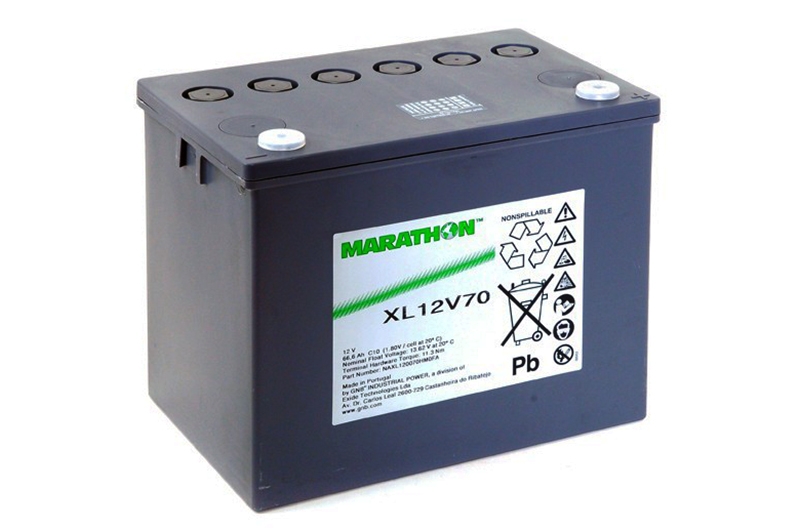
In many facilities, power backup is not optional. Data centers, telecom rooms, medical systems, and control environments depend on batteries that work quietly and reliably. When power drops, there is no room for delay or inconsistency. This is where industrial-grade battery systems are commonly used.
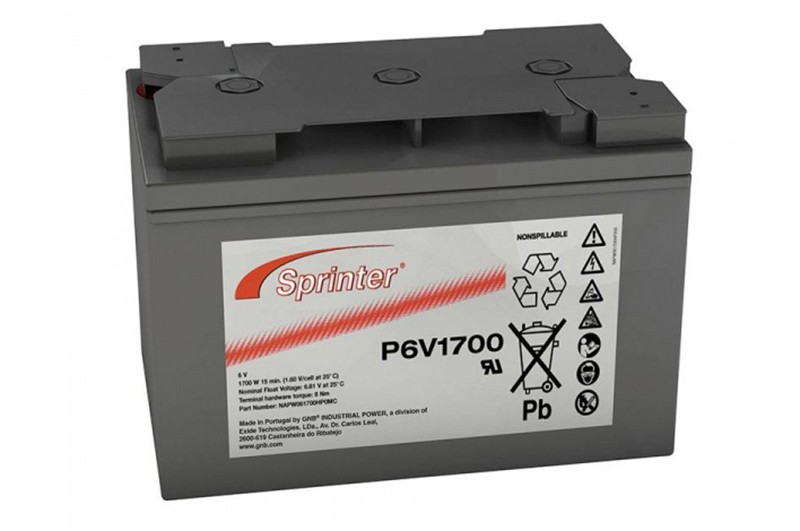
The Exide GNB Sprinter P6V1700 is typically selected for applications that require high discharge capability over short durations. It is designed to deliver stable performance in environments where power demand rises suddenly. Installations often include UPS systems and critical infrastructure where uptime matters more than anything else. The design supports consistent output without frequent maintenance, which is important in controlled technical spaces.
For systems that operate on higher voltage configurations, the Exide GNB Sprinter P12V600 is often considered. This model is used in setups where space efficiency and dependable power delivery are both required. It fits well into modular battery banks and is commonly used in IT environments, network facilities, and emergency backup systems. Its sealed construction allows for safe indoor installation without additional ventilation requirements.
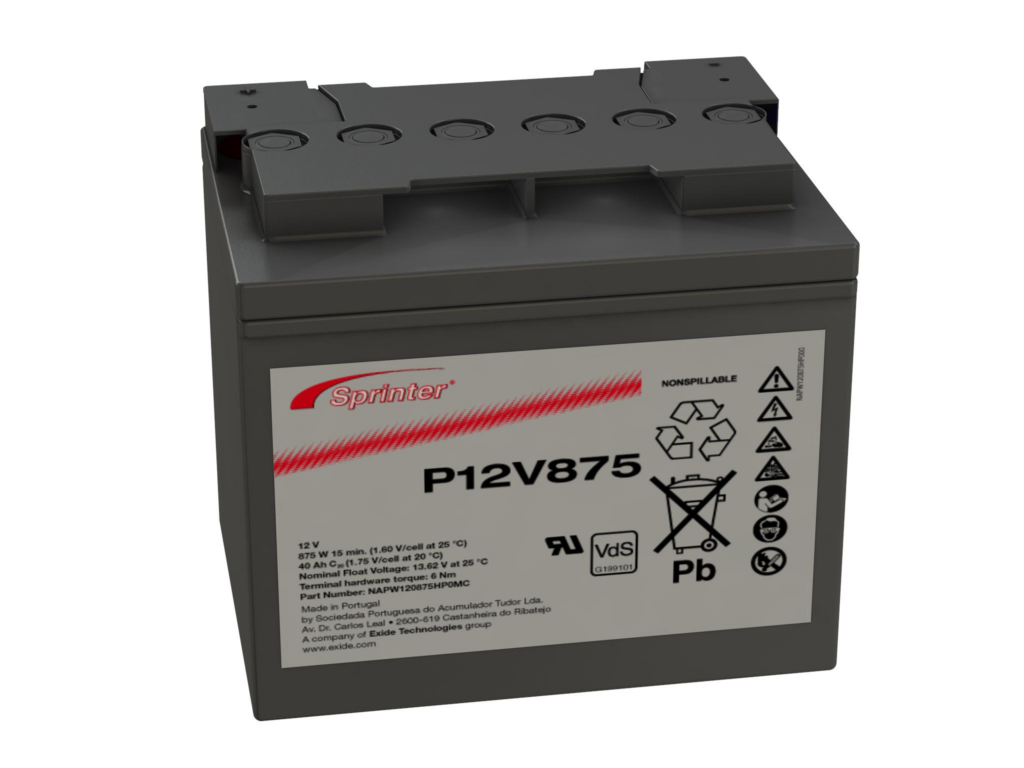
The P12V875 model is usually chosen when a longer backup duration is needed. Compared to lower-capacity units, it supports extended runtime while maintaining stable voltage. This makes it suitable for applications where shutdown procedures need more time, or where continuous operation is critical until power is restored. In practice, it is used across a range of commercial and industrial systems.
One important factor with these batteries is predictability. Performance needs to remain consistent over time. Sudden drops or irregular behaviour can cause system interruptions. That’s why users often focus on proven battery designs rather than experimental solutions. Reliability tends to matter more than novelty.
Another consideration is installation planning. Battery selection is not just about capacity. It totally depends on load requirements, discharge rates, and environmental conditions. Using the correct model helps avoid unnecessary strain on both the battery and the connected equipment.
Routine checks are still recommended, even for sealed systems. Monitoring voltage levels and system performance helps identify potential issues early. This approach decreases unexpected downtime and extends overall system life.
In critical environments, batteries are rarely noticed when they work properly. That’s usually the goal. They sit in the background, ready when needed, without demanding constant attention. Choosing the right configuration from the start makes that possible.
For more information, you can visit our website https://www.aest.ae/ or call us at 050-4884364