Energy systems are often discussed as if they are fixed once installed. In practice, that is rarely the case. Loads change, operating hours extend, and equipment is sometimes asked to do more than originally planned. What works well at the beginning does not always behave the same way after a few years.
In many facilities, the choice of battery technology is influenced by layout constraints rather than theory. Li-Ion Battery UAE installations are frequently selected because they occupy less space and integrate easily with existing monitoring systems. The decision is not always about innovation. Sometimes it is simply about fitting into what already exists without causing disruption.
As systems grow, inconsistencies start to appear. Power draw fluctuates, ambient conditions may vary, and small inefficiencies build up. These changes are not dramatic, but they affect long-term behavior. It is usually at this stage that conversion equipment starts to receive more attention.
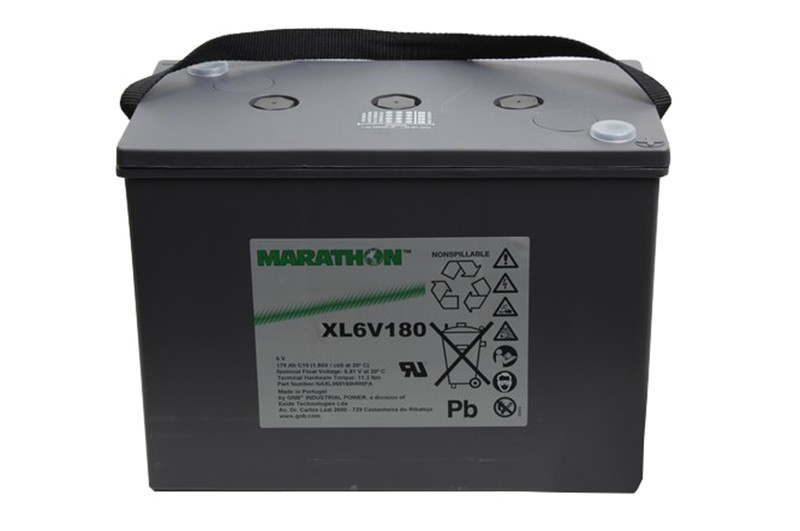
In mixed or renewable-supported environments, Solar Inverter Saudi Arabia setups tend to be evaluated based on how calmly they handle variation. An inverter that smooths irregular input quietly is often more valuable than one that performs well only under ideal conditions. Stability, in this sense, becomes noticeable only when it is missing.
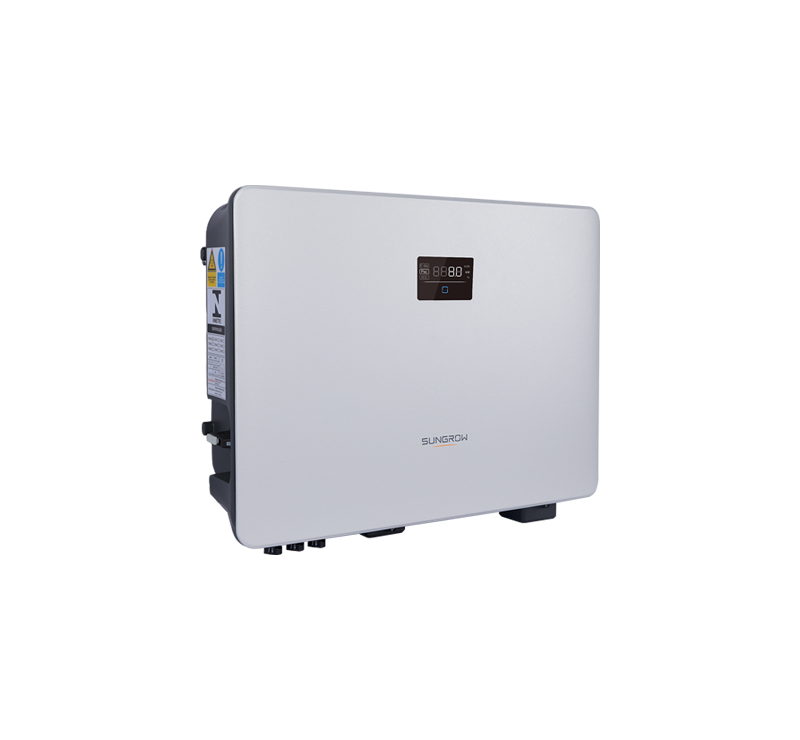
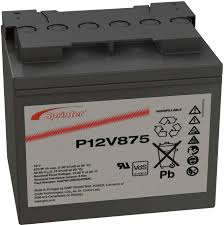
Some installations operate under tighter constraints than others. Telecommunications rooms, control centers, and emergency systems cannot tolerate hesitation. The Exide GNB Sprinter P12V600 is commonly used in these cases because it responds predictably during short, high-demand periods. Its role is specific, and outside that role, it is rarely overextended.
Environmental factors are not always obvious during planning. Heat exposure, airflow limitations, and installation height all influence performance over time. These details may not cause immediate failure, which makes them easier to overlook. Their effects usually appear gradually.
Maintenance practices also differ widely. Some sites rely heavily on automation, while others depend on routine observation. Neither approach is perfect. Even automated systems benefit from occasional human review, if only to confirm that expected patterns still make sense.
Integration between components rarely behaves exactly as expected. A battery may perform well on its own, and an inverter may meet specifications independently, yet the combined behavior can still feel uneven. Such issues are most often subtle and difficult to isolate.
As demand grows and infrastructure becomes more distributed, flexibility often proves more useful than precision. Systems that tolerate adjustment tend to remain functional longer, even if they are not optimized in a strict sense.
Energy performance, over time, becomes less about individual components and more about how assumptions evolve. Systems that allow room for correction usually age better than those designed to operate perfectly from day one.
For more information, you can visit our website https://www.aest.ae/ or call us at 050-4884364